Drones: Transforming the Future of Delivery, Transportation, and Technology
The Rise of Drone Technology: A Technological Revolution
In recent years, drones have emerged as one of the most transformative technologies of the 21st century. What was once considered a niche hobby or military technology has rapidly evolved into a versatile tool with potential applications across multiple industries. From commercial delivery to medical transportation, search and rescue operations to agricultural monitoring, drones are reshaping our understanding of mobility, logistics, and technological innovation.
The Evolution of Drone Technology
The concept of unmanned aerial vehicles (UAVs) dates back to early military applications, but the past decade has witnessed an explosive growth in civilian drone technology. Advances in battery technology, artificial intelligence, GPS navigation, and miniaturization have dramatically reduced costs and expanded capabilities. Modern drones are no longer just remote-controlled flying machines but sophisticated, intelligent systems capable of autonomous navigation, complex data collection, and precision operations.
Historical Perspective
The origins of drone technology can be traced back to early 20th-century military experiments. During World War I, the Hewitt-Sperry Automatic Airplane laid the groundwork for unmanned aerial vehicles. By World War II, countries like the United States and Germany were developing more advanced drone technologies for reconnaissance and target practice. The Cold War era saw significant advancements in military drone capabilities, with the technology gradually becoming more sophisticated and precise.
Commercial Delivery: Revolutionizing Logistics
Amazon Prime Air: Pioneering Drone Delivery Services
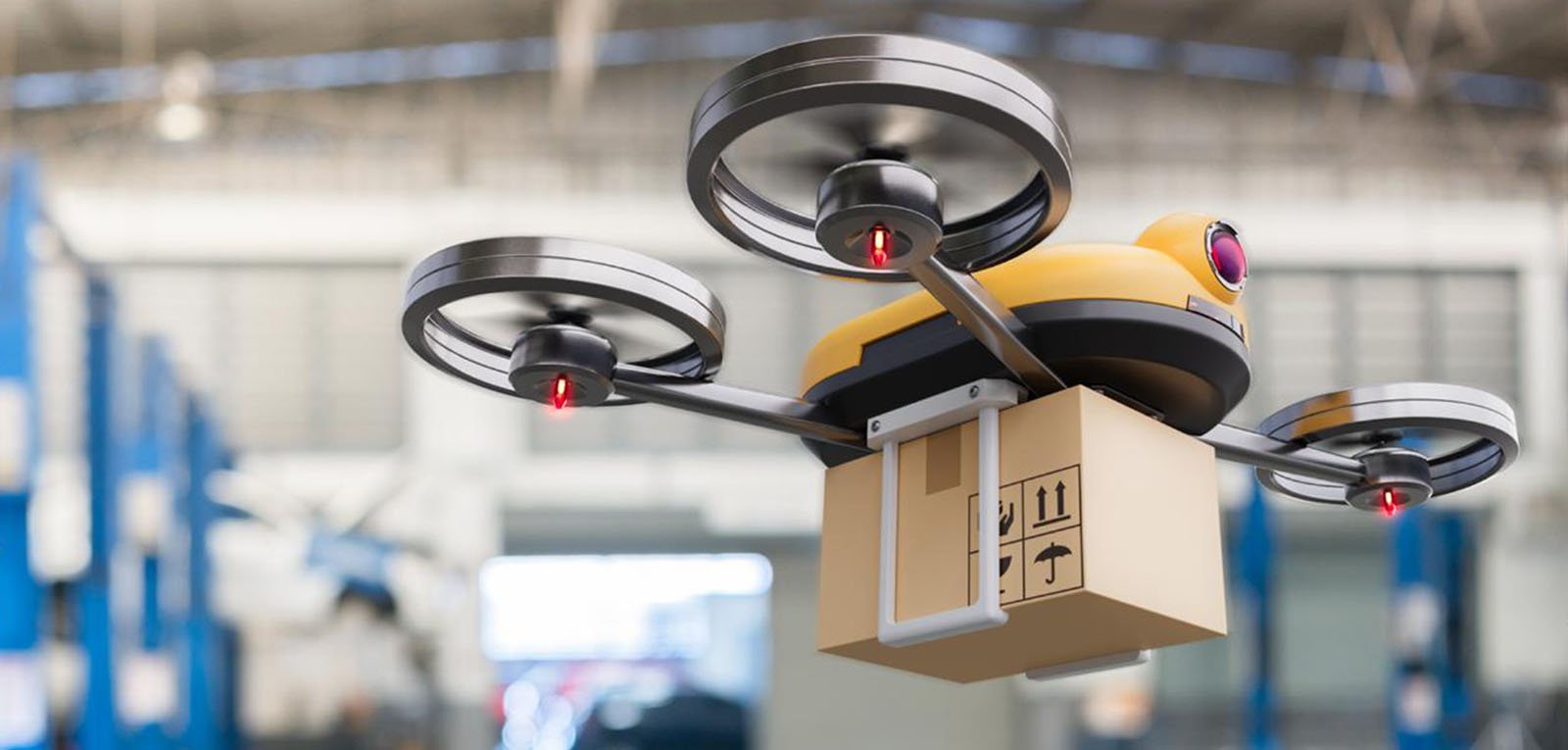
Amazon has been at the forefront of drone delivery innovation since 2013, with its Prime Air service promising to transform how consumers receive packages. The ambitious project aims to deliver packages weighing up to 5 pounds within 30 minutes, potentially reducing delivery times from days to minutes. This isn’t just a theoretical concept—Amazon has been actively testing and refining its drone delivery infrastructure in select markets.
The Technical Challenges of Drone Delivery
Implementing widespread drone delivery involves overcoming significant technical challenges:
- Precise navigation in urban and suburban environments
- Avoiding obstacles and ensuring package safety
- Managing battery life and range
- Developing robust communication systems
- Creating secure delivery mechanisms
Global Players in Drone Delivery
It’s not just Amazon pushing the boundaries of drone delivery. Several companies and organizations worldwide are investing heavily in this technology:
- UPS Flight Forward: Received the first FAA certification for a drone airline, focusing on medical and emergency supply deliveries.
- Google Wing: Launched commercial drone delivery services in select Australia and the United States areas.
- Zipline: Zipline is Revolutionizing medical supply delivery in Rwanda and Ghana by delivering critical medical supplies to remote areas.
Technological Innovations in Drone Delivery
The future of drone delivery relies on several key technological advancements:
- Advanced AI-powered navigation systems
- Enhanced battery technologies
- Improved sensor and collision avoidance systems
- Secure and reliable communication networks
- Automated loading and unloading mechanisms
Medical Transportation: Saving Lives Through Drone Technology
Critical Medical Supply Delivery
In regions with challenging terrain or limited infrastructure, drones are lifesavers. Companies like Zipline have developed specialized medical delivery drones that can:
- Transport blood supplies to remote clinics
- Deliver vaccines and critical medications
- Provide emergency medical supplies during natural disasters
- Navigate difficult terrain inaccessible by traditional transportation
Case Study: Rwanda’s Drone Medical Network
Rwanda has become a global leader in medical drone transportation. The country’s drone network covers over 80% of its territory, delivering blood supplies, medications, and medical equipment to rural clinics within minutes, significantly reducing response times for critical medical interventions.
Pandemic Response and Medical Drone Technology
The COVID-19 pandemic highlighted the potential of drone technology in medical logistics:
- Contactless delivery of medical supplies
- Rapid transportation of test kits and vaccines
- Minimizing human contact during critical supply chains
- Reaching remote and isolated communities
Passenger Drones: The Future of Personal Transportation
Urban Air Mobility: A New Transportation Paradigm
The concept of passenger drones, or flying taxis, is rapidly moving from science fiction to reality. Uber Elevate, Volocopter, and EHang are developing autonomous aerial vehicles to transport passengers within and between cities.
Key Technological Innovations
- Electric vertical takeoff and landing (eVTOL) technology
- Advanced AI-driven navigation systems
- Autonomous flight capabilities
- Enhanced safety mechanisms
- Noise reduction technologies
Potential Benefits of Passenger Drones
- Reduced urban traffic congestion
- Shorter travel times
- Lower environmental impact compared to traditional vehicles
- Accessibility for people in areas with limited ground transportation
- Potential cost-effectiveness at scale
Regulatory Landscape and Challenges
Navigating Complex Regulatory Environments
The widespread adoption of drone technology faces significant regulatory challenges:
- Airspace management
- Privacy concerns
- Safety regulations
- Security implications
- Insurance and liability frameworks
Global Regulatory Approaches
- United States: FAA leading efforts to create comprehensive drone regulations
- European Union: Developing unified drone operation standards
- China: Implementing extensive drone registration and operation guidelines
- Australia: Pioneering progressive drone technology regulations
Privacy and Ethical Considerations
As drone technology becomes more prevalent, important ethical questions emerge:
- Balancing technological innovation with personal privacy
- Preventing unauthorized surveillance
- Establishing clear guidelines for drone usage
- Protecting individual rights in public and private spaces
Environmental and Sustainability Implications
Reducing Carbon Footprint
Drone technology offers promising environmental benefits:
- Electric-powered systems produce lower emissions
- More efficient routing reduces fuel consumption
- Potential to replace multiple ground vehicles with a single aerial solution
- Reduced infrastructure requirements compared to traditional transportation
Sustainable Drone Technology Developments
- Research into biodegradable drone materials
- Improved battery recycling technologies
- Solar-powered drone innovations
- Energy-efficient design principles
Future Outlook: The Next Decade of Drone Innovation
Emerging Technologies and Potential Applications
The future of drone technology extends far beyond current applications:
- Advanced AI and machine learning integration
- Improved battery and energy storage technologies
- Enhanced sensor and imaging capabilities
- Quantum computing-driven navigation systems
- Swarm drone technologies for complex missions
Potential Future Applications
- Disaster response and emergency management
- Precision agriculture and crop monitoring
- Wildlife conservation and ecosystem research
- Infrastructure inspection and maintenance
- Scientific exploration in challenging environments
Conclusion: A Technological Revolution Takes Flight
Drones are no longer a futuristic concept but a rapidly evolving technology poised to reshape multiple aspects of our lives. From delivering critical medical supplies to revolutionizing urban transportation, drone technology represents a significant leap forward in conceptualising mobility, logistics, and technological innovation.
As investments continue and technological barriers are overcome, drones will increasingly become integral to our daily lives. The next decade promises unprecedented advancements, transforming how we move goods and people and fundamentally reimagining our approach to transportation and connectivity.