Imagine soaring above cascading waterfalls, gliding over dramatic landscapes, or capturing bustling cityscapes from a bird’s-eye view. Drone photography has revolutionized travel blogging, unlocking a world of visual storytelling from perspectives we once only dreamed about. Whether you’re a seasoned travel blogger or just starting, understanding how to harness the power of drones can take your travel content from mundane to breathtaking. So grab your drone (or at least your coffee), and let’s dive into the essentials of drone photography for travel blogs!
What Are the Best Drones for Travel Photography?
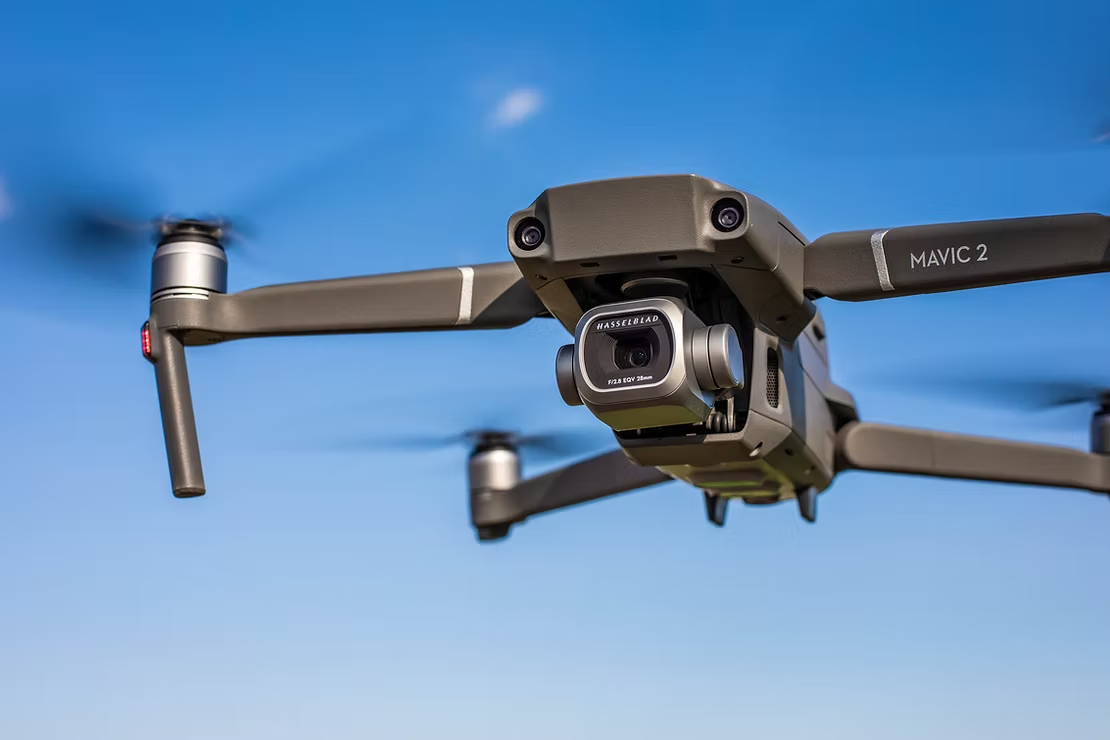
When choosing the best drone for travel photography, it’s essential to consider portability, camera quality, and ease of use. Here’s a quick comparison of some top contenders:
| Drone | Camera Quality | Weight | Best For |
|---|---|---|---|
| DJI Mavic 3 Pro | 4/3 CMOS Hasselblad | 895g | Professional bloggers |
| DJI Air 2S | 1-inch sensor | 595g | Compact travel photography |
| Autel EVO Lite+ | 1-inch sensor, 6K video | 835g | Versatile video capabilities |
| DJI Mini 3 Pro | 1/1.3-inch sensor | 249g | Ultralight for international travel |
| Skydio 2+ | 12MP, excellent avoidance | 775g | Dynamic shooting |
For beginners, the DJI Mini 3 Pro is perfect as it weighs under 250 grams, making it easier to comply with many international regulations. Not to mention, it’s incredibly user-friendly!
How Do I Pack My Drone for International Travel?
Packing your drone properly is crucial for its longevity and peace of mind. Here are some steps to ensure your gear travels safely:
-
- Select the Right Case: Invest in a rugged case like the Pelican 1535 Air Case. It’s waterproof and impact-resistant, perfect for air travel.
-
- Remove Batteries: Always pack batteries in your carry-on, as most airlines restrict lithium batteries in checked luggage.
-
- Protect the Propellers: Use propeller guards or bubble wrap to prevent damage.
-
- Keep Accessories Organized: Carry filters, cables, and extra batteries in pouches or a dedicated backpack like the PgyTech OneMo Backpack.
Insert an image of a well-packed drone setup here.
What Are the Legal Requirements for Flying Drones in Different Countries?
Before you take to the skies, check the international drone regulations. Each country has its own rules, and ignorance isn’t bliss when it comes to compliance. Here’s a snapshot of requirements:
-
- USA: Register your drone with the FAA if it’s over 0.55 lbs. Follow the Part 107 guidelines for commercial use.
-
- EU: Drones over 250g must be registered. Follow risk categories based on drone weight and capability.
-
- Australia: No registration is required for drones below 2kg, but follow CASA guidelines.
Always double-check local regulations before your trip to avoid hefty fines or worst-case scenarios, like having your drone confiscated.
How Can I Improve My Aerial Photography Skills for Travel Blogging?
So, you’ve got the drone ready; now what? To improve your aerial photography, consider these techniques:
-
- Learn Composition Basics: Apply the rule of thirds—position key elements along these lines for a more dynamic image.
-
- Experiment with Angles: Try shooting from different altitudes and perspectives to capture unique shots.
-
- Practice Aerial Time-lapse Techniques: It adds an exciting dimension to your storytelling.
-
- Understand Lighting: Fly during golden hour for soft, flattering light.
Insert an image showcasing the rule of thirds in drone photography here.
What Are the Best Camera Settings for Drone Travel Photography?
Camera settings can make or break your shots. Here’s a quick guide to some ideal settings:
-
- Aperture: Start with f/2.8 to f/5.6 for landscape shots; wider apertures can blur backgrounds.
-
- ISO: Keep it low (100-200) to reduce noise but adjust as necessary in low-light conditions.
-
- Shutter Speed: 1/200 to 1/400 of a second works well, but consider fast shutter speeds for moving subjects.
Tip: Use ND filters like those from PolarPro to control exposure in bright conditions.
How Do I Plan Drone Shots for My Travel Blog?
Planning your drone shots can ensure you don’t miss capturing those “Instagrammable” moments. Here’s how to do it:
-
- Scout Locations: Use Google Earth or mapping apps to identify potential aerial photography spots.
-
- Check the Weather: Use weather apps to avoid cloudy or windy days. Clear weather is your friend!
-
- Create a Shot List: Have a checklist of the shots you want, such as cityscapes, landscapes, and unique angles.
What Unique Perspectives I Can Capture with a Drone for Travel Content?
Drones open up creative possibilities when it comes to perspectives. Here are a few options:
-
- Aerial Panoramas: Capture vast landscapes or city skylines.
-
- Bird’s Eye View: Overhead shots of intricate architecture, parks, or winding roads offer stunning detail.
-
- Follow Shots: Use the drone’s follow-me mode to capture the action, like hiking or biking, creating dynamic content.
How Do I Edit Drone Photos and Videos for My Travel Blog?
Once you’ve captured your stunning drone footage, it’s time to spice things up in post-processing. Here are some tools and tips:
-
- Software: Use Adobe Lightroom for photos and Adobe Premiere Pro for videos.
-
- Editing Tips:
-
- Adjust exposure, contrast, and saturation to make colors pop.
-
- Use color grading techniques to create a consistent mood across your videos. Experiment with time-lapses to condense hours of travel into captivating seconds.
- Editing Tips:
What Safety Precautions Should I Take When Flying a Drone While Traveling?
Safety is paramount in drone photography. Here are essential precautions:
-
- Know Your Surroundings: Avoid flying near airports, people, or sensitive wildlife areas.
-
- Follow Local Laws: Always abide by local drone regulations to avoid fines.
-
- Maintain Line of Sight: Always keep your drone within your visual line of sight.
How Can I Incorporate Drone Footage into My Travel Blog Storytelling?
Drone footage can enhance your storytelling in delightful ways. Here’s how to weave it into your content:
-
- Start with an Aerial Intro: Capture a sweeping view of your destination to set the stage for your narrative.
-
- Reveal Hidden Gems: Using drone shots to uncover off-the-beaten-path locations enriches your travel story.
-
- Use Transitions: Integrate aerial footage with ground shots for seamless transitions, keeping viewers engaged.
Drone photography is more than just a trend; it’s an art and a powerful storytelling tool. By understanding the best practices, legal requirements, and simple techniques, you can literally elevate your travel blog to new heights! So, the next time you’re preparing for a trip, remember to pack your drone and embrace the unique perspectives it offers. Happy flying, and don’t forget to share your adventures! What’s your favorite drone photo? Let me know in the comments below!