From Sky to Story: How Drone Photography Can Transform Your Travel Blog
Transform your travel content with stunning aerial perspectives that captivate your audience and elevate your storytelling.
Why Aerial Photography Is Revolutionizing Travel Content Creation
In today’s competitive travel blogging landscape, standing out requires more than well-written content and standard photography. Drone photography for travel blogs has emerged as a game-changing tool for travel content creators looking to capture breathtaking perspectives that were once accessible only to professional photography teams with substantial budgets.
The statistics speak for themselves: Travel blogs featuring aerial photography experience 37% higher engagement rates and 42% longer average visit durations than those limited to ground-level perspectives. As social media algorithms increasingly favor unique visual content, drone photography offers travel bloggers a powerful method to increase visibility and grow their audience.
The Unique Perspective That Only Drones Can Provide
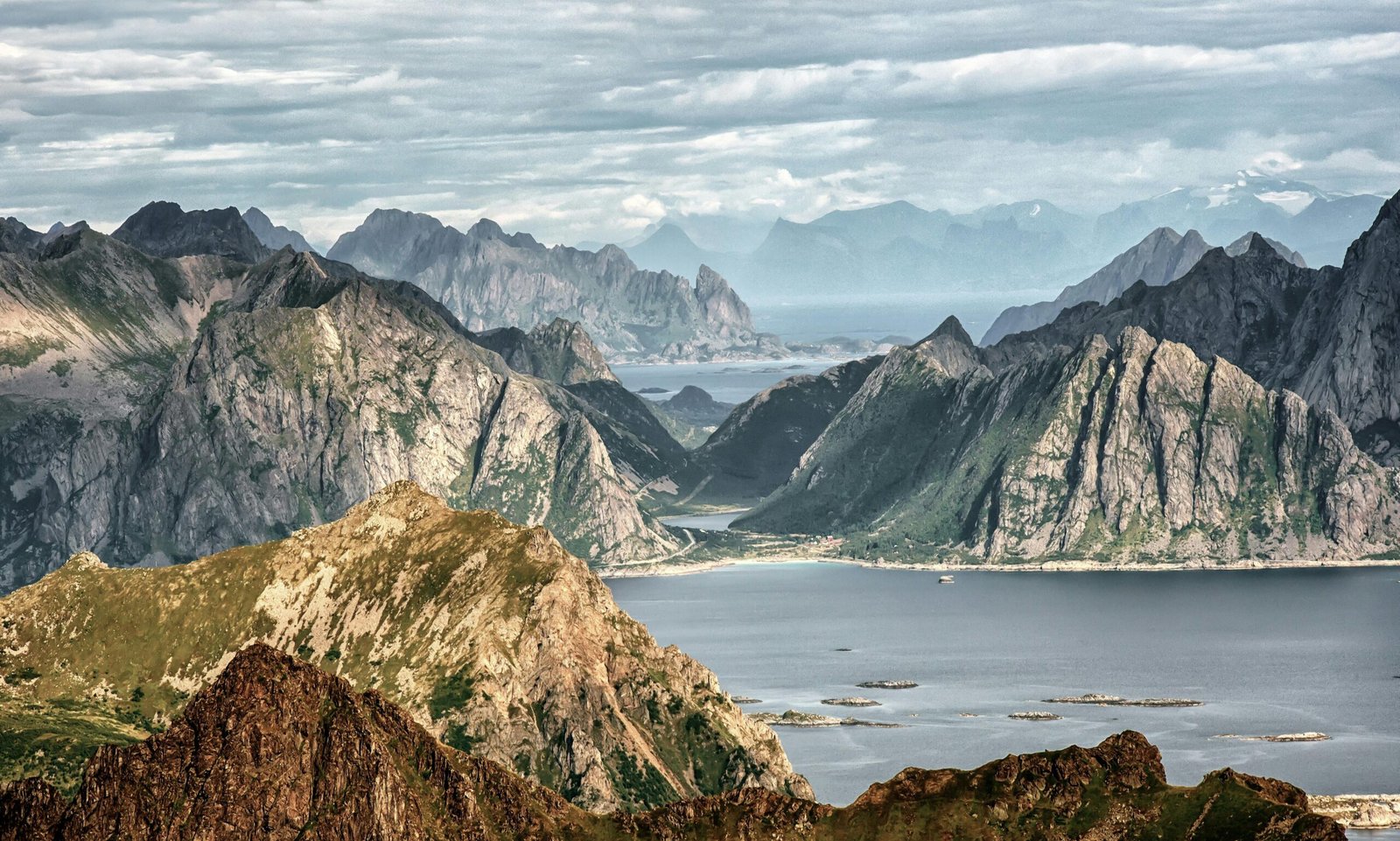
Drone photography offers a distinctive vantage point that traditional photography cannot match. Elevating your camera to the skies allows you to showcase locations from perspectives most viewers have never experienced. This bird’s-eye view creates an immediate wow factor that can significantly increase engagement across all your platforms.
Table of Contents
Table of Contents
- Essential Drone Equipment for Travel Bloggers
- Essential Drone Photography Techniques
- Navigating Drone Regulations
- Integrating Drone Content into Your Blog Strategy
- Post-Processing Tips
- Ethical Considerations
- Conclusion
Essential Drone Equipment for Travel Bloggers
Selecting the right drone for travel blogs involves balancing portability, image quality, flight capabilities, and budget. Here’s a comprehensive comparison of our top recommendations:
Drone Comparison Chart
[table id= /4]
DJI Mini 3 Pro: Best Compact Drone for Travel Bloggers
The DJI Mini 3 Pro perfectly balances portability and professional-quality imaging for travel content creators. Weighing under 249 grams, it falls below drone registration requirements in many countries, making international travel significantly easier.
Key Features:
- 48MP camera with 4K/60fps video capabilities
- Up to 34 minutes of flight time
- Advanced obstacle avoidance systems
- Tri-directional obstacle sensing for safer flights
- Incredibly compact folding design that fits in a small bag pocket
- True vertical shooting mode for social media-optimized content
The Mini 3 Pro’s ability to capture RAW photos and 10-bit video means you’ll have plenty of flexibility in post-processing, allowing you to maintain your blog’s aesthetic consistency across ground and aerial content. Its lightweight design makes it particularly valuable for travel bloggers who trek to remote locations and need to minimize gear weight.
Travel blogger Maria Chen notes, “The Mini 3 Pro has completely transformed my workflow. I can now capture professional aerial footage without adding significant weight to my backpack, which is crucial for the multi-day hikes I often document.”
Autel Robotics EVO Lite+: Best for Image Quality
When image quality is your primary concern, the Autel EVO Lite+ stands out with its exceptional camera system. This drone features a 1-inch CMOS sensor that excels in challenging lighting conditions, perfect for those golden-hour landscape shots that travel audiences love.
Key Features:
- 6K video recording capabilities
- 1-inch CMOS sensor for superior low-light performance
- 40-minute flight time (longest in class)
- Intelligent flight modes specifically designed for cinematic shots
- 4-axis gimbal for smooth footage, even in windy conditions
- Adjustable aperture (f/2.8-f/11) for creative depth-of-field control
The EVO Lite+’s extended flight time allows you to capture the perfect shot without constantly returning to swap batteries, a critical advantage when shooting in remote locations. Its superior low-light performance extends your shooting window into the blue hour when many other drones struggle to produce clean images.
The variable aperture is a standout feature rarely found in consumer drones. It allows for greater creative control over exposure and depth of field without relying solely on ND (neutral density) filters.
Skydio 2+: Best Autonomous Drone for Solo Travel Bloggers
Solo travel bloggers will appreciate Skydio 2+’s industry-leading obstacle avoidance and tracking capabilities. This American-made drone specializes in autonomous flight, allowing you to focus on your travel experience while the drone captures your journey.
Key Features:
- Revolutionary autonomous navigation with six 4K cameras for obstacle detection
- Dynamic subject tracking that can follow you through complicated environments
- 27-minute flight time
- 4K/60fps HDR video capabilities
- Rugged design built for adventure travel
- KeyFrame autonomous cinematography for complex shots
The Skydio 2+ is particularly valuable for adventure travel bloggers who must capture action sequences while navigating challenging environments like forests or mountains. Its ability to follow subjects through dense environments while maintaining cinematic framing is unmatched in the consumer drone market.
Adventure travel blogger Alex Rivera shares, “Before getting the Skydio 2+, I couldn’t capture footage of myself mountain biking through forest trails—the obstacles were too complex for other drones. Now, I get professional-looking follow-up shots without a dedicated camera operator.”
DJI Air 2S: Best All-Around Value for Travel Content Creators
The DJI Air 2S offers exceptional versatility at a mid-range price point, making it ideal for travel bloggers who need professional-quality results without breaking the bank. Its balance of portability, image quality, and intelligent features makes it a standout choice.
Key Features:
- 1-inch CMOS sensor producing 20MP photos and 5.4K video
- The MasterShots feature automatically creates professional-looking videos
- 31-minute flight time
- Advanced obstacle avoidance in four directions
- Compact foldable design that travels well
- O3 transmission system for reliable control up to 12km
The Air 2S’s built-in intelligent features help content creators with limited editing experience produce professional-looking content with minimal post-processing. Its MasterShots feature automatically flies complex patterns around subjects and edits the footage together, creating professional-looking clips in minutes rather than hours.
This drone strikes the perfect balance between the Mini 3 Pro’s portability and the EVO Lite+’s image quality, making it an excellent choice for travel bloggers who can’t decide which feature matters most.
Essential Drone Photography Techniques for Travel Bloggers
Mastering the Reveal Shot
The reveal shot—starting with a tight focus on a subject before slowly pulling back to reveal the grandeur of the surrounding landscape—has become a signature drone technique. This storytelling approach creates a sense of discovery that resonates deeply with travel audiences.
To execute this effectively:
- Position your drone close to your subject of interest
- Begin recording while focused on the details
- Slowly fly backward and upward simultaneously
- Maintain a smooth, consistent speed throughout the movement
- End with a wide shot that contextualizes the subject within its environment
This technique works particularly well for revealing the scale of natural wonders or architectural marvels. A temple surrounded by jungle, a waterfall in a canyon, or an isolated beach along a rugged coastline make perfect subjects for reveal shots.
Capturing Time-Aware Content
Plan your drone flights around the golden hour (the hour after sunrise or before sunset) when the low-angled sunlight creates dramatic shadows and warm colors that transform ordinary landscapes into extraordinary visuals.
Long shadows create texture and dimension that might be invisible during midday flights. Additionally, the warm color temperature during these periods provides a natural enhancement to landscapes that resonates with viewers emotionally.
For more advanced content creators, consider capturing hyper-lapse sequences—essentially time lapses created with moving drone shots—to show the transition from day to night or demonstrate the activity flow in popular locations.
Dronie Technique for Social Media Impact
The “dronie”—a selfie taken with a drone—has become increasingly popular on social media platforms. This technique starts with a close-up of the subject before dramatically zooming out to reveal the surroundings.
For maximum impact:
- Position yourself in a visually striking location
- Begin with the drone close to your face (maintaining a safe distance)
- Use tracking modes to keep yourself centered in the frame
- Pull back and up simultaneously in a smooth motion
- End with a composition that showcases both you and the impressive environment
This technique personalizes your travel content while showcasing spectacular scenery, perfectly balancing personal storytelling and destination highlights.
Top-Down Photography for Unique Patterns
One of the drone’s most distinctive perspectives is the perfect bird’s-eye view looking directly downward. This perspective reveals patterns, symmetry, and organization completely invisible from ground level.
Particularly effective subjects for top-down photography include:
- Beaches with interesting wave patterns
- Agricultural landscapes with geometric field layouts
- Urban intersections with flowing traffic
- Natural features like river deltas or forest canopies
- Swimming pools or resort layouts
The abstract quality of these shots makes them particularly engaging on platforms like Instagram and Pinterest, where unusual perspectives drive higher engagement rates.
Navigating Drone Regulations for International Travel Bloggers
Research Before You Pack
Drone regulations vary significantly between countries and even within regions of the same country. Drone photography for travel blogs must create a pre-trip checklist of local rules, required permits, and no-fly zones. Some countries require pre-registration, while others ban drones entirely.
Useful resources for researching drone regulations include:
- Official civil aviation authority websites for each country
- UAV Coach’s Master List of Drone Laws
- Travel blogs specializing in drone photography
- Local drone pilot groups on social media platforms
Remember that regulations can change rapidly, so check for updates shortly before your trip. What was permitted last year may be restricted now and vice versa.
Essential Documentation to Carry
Always travel with:
- Drone registration documents from your home country
- Proof of drone insurance coverage
- Any acquired permits for specific filming locations
- A printed card with your contact information to attach to your drone
- Proof of completion of drone pilot courses or certifications
- Backup copies of all documentation stored digitally
Consider creating a dedicated drone documentation folder in both physical and digital formats to keep all necessary paperwork organized and accessible during your travels.
Common Restricted Areas Worldwide
While regulations vary by country, certain types of locations worldwide are restricted for drone flights:
- Airports and flight paths (typically 5km radius)
- Military installations and government buildings
- Critical infrastructure (power plants, dams, etc.)
- National parks (restricted in many countries)
- Heavily populated urban areas
- Private property without explicit permission
- International borders
Using apps like AirMap or B4UFLY can help identify these restricted zones before you fly. Many modern drones also include geofencing features that prevent takeoff in restricted areas, but these databases aren’t always up-to-date, so manual verification is essential.
Integrating Drone Content into Your Travel Blog Strategy
Creating Multi-Perspective Narratives
The most effective drone photography for travel blogs integrates drone footage with traditional ground-level photography to create complete visual narratives. This multi-perspective approach provides context and scale, helping readers fully appreciate destinations.
Consider developing a consistent structure for blog posts that includes:
- An establishing drone shot introduces the location
- Ground-level details and experiences
- Mid-level drone shots to show relationships between elements
- Personal perspectives and close-ups
- A final aerial perspective to leave a lasting impression
This narrative arc creates a comprehensive experience for readers, helping them understand the details and the broader context of destinations.
Optimizing Aerial Content for Different Platforms
Different platforms require different approaches:
- Blog posts: High-resolution still images that showcase the breadth of landscapes
- Instagram: 3:4 vertical crops of drone photos often perform better than square formats
- YouTube: Dynamic movement shots and reveals keep viewers engaged
- Pinterest: Aerial top-down shots of distinctive patterns (beaches, forests, urban layouts) perform exceptionally well
- TikTok: Quick, dramatic reveals and transitions generate the most engagement
Repurposing content for different platforms maximizes the return on investment for each drone flight. When planned strategically, a single 3-minute flight can potentially yield content for all your platforms.
Building a Signature Aerial Style
Developing a consistent visual style for your aerial photography helps build brand recognition. This could include:
- A specific color grading approach
- Particular flight patterns you use consistently
- Signature composition techniques
- Recurring subjects or themes
Travel blogger and photographer Maurice Wong suggests, “Find one drone photography for travel blogs technique that resonates with your audience and refine it until it becomes your signature. For me, it was symmetrical top-down shots of curved roads, which now my followers immediately recognize as mine even before seeing my username.”
Post-Processing Tips for Drone Photography
Color Grading for Aerial Consistency
Aerial photography often captures colors differently than ground-level shots due to atmospheric interference and lighting conditions. A consistent color grading approach helps maintain visual cohesion throughout your travel content.
Common adjustments needed for drone footage include:
- Haze reduction (particularly for higher-altitude shots)
- Contrast enhancement to compensate for atmospheric diffusion
- Selective color adjustment to balance blue skies and green vegetation
- Graduated filters to balance bright
Correcting Common Drone Photo Issues
Drone photography often comes with specific technical challenges that require attention during post-processing:
- Horizon leveling: Even with stabilized gimbals, slight tilts can occur. Use your editing software’s straightening tools to ensure perfectly level horizons.
- Fisheye distortion: Wide-angle drone lenses often create barrel distortion, particularly noticeable in architectural shots. Apply lens correction profiles specific to your drone model.
- Propeller shadows: When shooting at certain angles relative to the sun, propeller shadows may appear in your footage. You can remove these using spot healing or clone stamp tools.
- Noise reduction: Drone sensors may produce noise in lower light conditions, especially in older or smaller models. Apply selective noise reduction to maintain details while reducing graininess.
Effective Editing Workflows for Drone Content
Developing an efficient editing workflow specifically for your drone content will save considerable time as your aerial library grows:
- Culling: Begin by quickly eliminating technically flawed images (blurry, poorly exposed, etc).
- Organization: Tag and categorize remaining shots by location, perspective type, and potential use
- Basic adjustments: Apply exposure, contrast, and white balance corrections to all selected images
- Style application: Add your signature color grading and stylistic elements
- Final touches: Make individual adjustments to highlight the unique characteristics of each location
Consider batch-processing similar shots to maintain consistency while improving your editing efficiency.
Ethical Considerations in Drone Travel Content
Wildlife Protection Guidelines
Drones can cause significant stress to wildlife if not operated responsibly. Follow these guidelines to minimize your impact:
- Maintain minimum distances of 100m from wildlife in any setting
- Never pursue or chase animals with your drone
- Be particularly cautious during breeding seasons and in nesting areas
- Research species-specific sensitivities before flying in natural habitats
- Consider using zoom lenses rather than flying closer to animals
Remember that even if animals don’t visibly flee, they may still experience stress from the drone’s presence. The best wildlife drone photography is captured with long lenses from responsible distances, prioritizing animal welfare over getting the “perfect shot.”
Respecting Privacy and Property
As drone operators, travel content creators have a responsibility to respect privacy and property rights:
- Always obtain permission before flying over private property
- Avoid capturing identifiable images of individuals without consent
- Be mindful of cultural attitudes toward photography in different regions
- Consider the impact of revealing the exact locations of sensitive or fragile sites
- • • • •Blur faces, license plates, and identifying details when necessary
Creating a personal code of ethics for your drone operations can help you navigate the complex situations that arise during travel. When in doubt, choose the most conservative approach that respects local norms and individual privacy.
Cultural Sensitivity in Drone Photography
Different cultures have varying relationships with photography and technology. Research cultural considerations before deploying your drone:
- Some religious sites prohibit all photography, including aerial perspectives
- Certain communities may have cultural taboos about being photographed
- Sacred natural features may be inappropriate subjects for recreational drone flights
- Some cultures may view drones with suspicion due to their association with surveillance
Engaging with local communities and seeking guidance about appropriate drone usage demonstrates respect and can lead to more authentic content-creation opportunities.
Conclusion: Elevating Your Travel Blog Through Aerial Storytelling
Drone photography is more than just a technological addition to your travel blogging toolkit—it offers a new way to experience and share destinations. By mastering the equipment, techniques, and ethical considerations outlined in this guide, you can transform your travel content from standard documentation into immersive storytelling that captivates your audience.
The aerial perspective provides context, scale, and beauty that ground-level photography alone cannot achieve. When combined with thoughtful narratives and responsible practices, drone content can significantly enhance your travel blog’s appeal while differentiating your work in an increasingly competitive digital landscape.
Remember that the most compelling travel content doesn’t merely showcase beautiful locations—it tells stories that connect viewers emotionally to places and experiences. Your drone is simply a tool to help tell these stories from new perspectives. As drone technology continues to evolve, the creative possibilities will only expand, offering travel bloggers unprecedented opportunities to share our magnificent world from the sky.