In today’s adventurous world of travel blogging, capturing the perfect shot isn’t just about having the latest camera gear; it’s about elevating your perspective—literally! Enter drone photography, a game-changer for travel bloggers eager to showcase breathtaking landscapes, cityscapes, and everything in between. Just imagine your blog posts adorned with stunning aerial views that leave your audience gasping in awe. Sounds exciting, right? Let’s delve into the ins and outs of drone photography for travel blogging, ensuring you know everything you need to create eye-popping content that stands out.
1. What Are the Best Drones for Travel Photography?
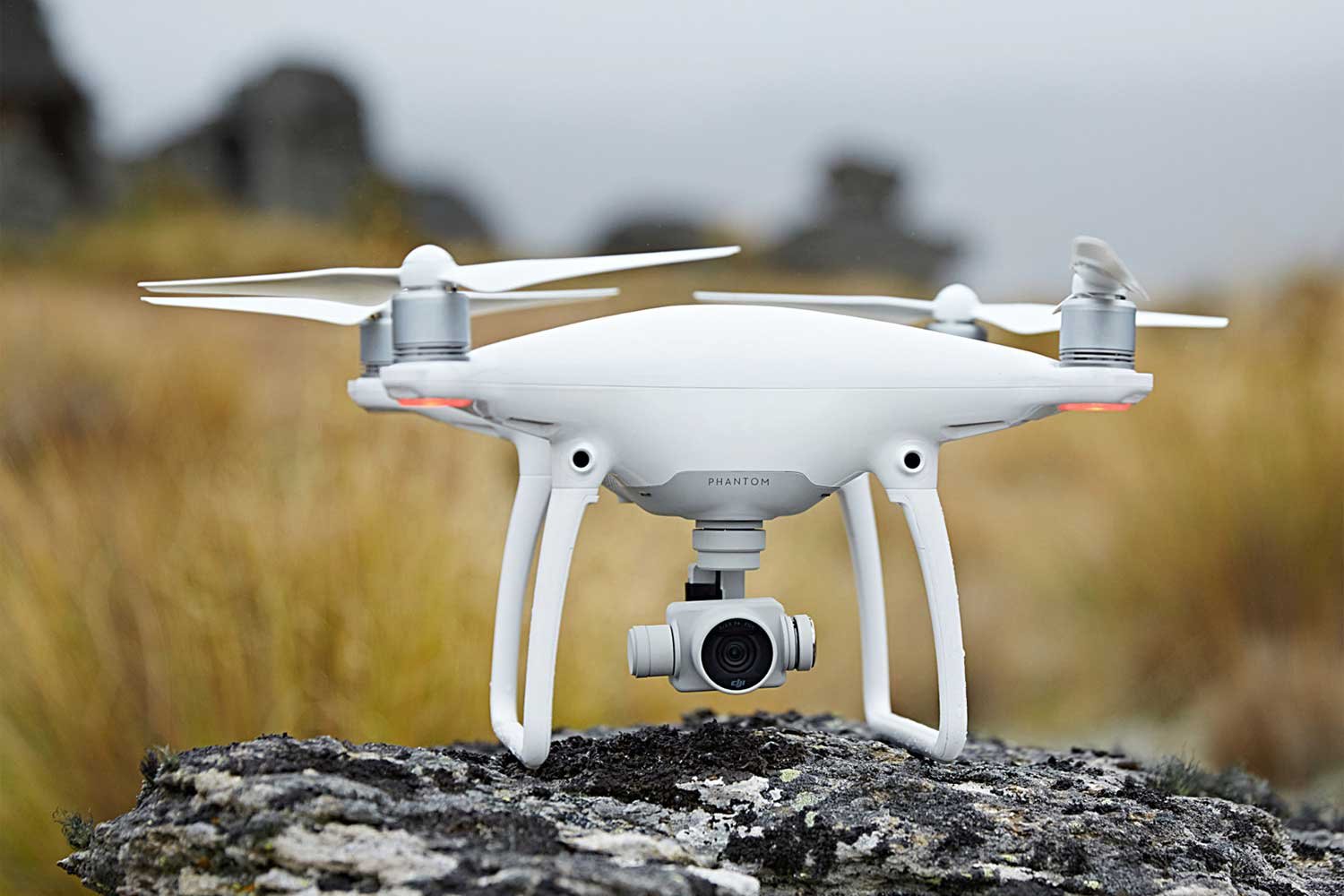
When it comes to choosing the right drone, it can feel as overwhelming as picking an outfit for a first date—the stakes are high! However, I’m here to make your life easier. Here’s a quick list of top contenders that are perfect for capturing those Instagram-worthy shots:
| Drone Model | Weight | Camera Quality | Ideal For |
|---|---|---|---|
| DJI Mavic 3 Pro | 895g | Hasselblad Camera | Professional bloggers |
| DJI Air 2S | 600g | 1-inch sensor | Versatile travel photography |
| Autel EVO Lite+ | 795g | 6K video capabilities | Travel adventures |
| DJI Mini 3 Pro | 249g | 4K HDR video | International travel |
| Skydio 2+ | 775g | AI-powered obstacle avoidance | Dynamic scenes capture |
| Autel EVO Nano+ | 249g | 1/1.28-inch CMOS sensor | Beginners |
All of these options pack a punch for aerial travel photography!
Quick Tip: The DJI Mini 3 Pro is a favorite among many travelers because of its ultralight weight, which makes it a breeze to pack—especially for international travel where drone weight regulations can be strict.
2. How Do I Pack My Drone for International Travel?
So, you’re all set with your drone; how do you pack it like a pro? Here are some straightforward steps to ensure your drone arrives safely:
-
- Use a Durable Case: Invest in a rugged, waterproof case like the Pelican 1535 Air Case. It’ll protect your gear from rough baggage handlers.
-
- Remove Batteries: For safety reasons, remove the batteries from the drone when packing. Most airlines have a limit on battery-watt-hours.
-
- Secure Loose Parts: Don’t forget to secure propellers and other loose accessories to prevent them from getting lost or damaged.
-
- Check Equipment Regulations: Always check the airline’s drone travel guidelines to ensure compliance.
3. What Are the Legal Requirements for Flying Drones in Different Countries?
Flying drones internationally can feel like navigating a maze. Each country has its rules for drone usage, and it’s essential to understand these before you start shooting:
-
- Research Regulations: Use resources like the FAA and local aviation authority websites for the latest regulations.
-
- Follow No-Fly Zones. Certain areas, such as national parks, military bases, and urban settings, often prohibit drone usage.
-
- Register Your Drone: Some countries require registering your drone before flying. This is especially true for larger drones.
Stay on the right side of the law, and don’t let a bureaucratic headache ruin your travel fun!
4. How Can I Improve My Aerial Photography Skills for Travel Blogging?
Enhancing your aerial photography skills can be as joyful as finding an unexpected treasure on your travels. Here are some practical techniques:
-
- Practice Composition: Focus on the rule of thirds. Positioning your subject off-centre often leads to a more engaging photo.
-
- Experiment with Angles: Don’t stick to the same elevation. Changing your drone’s height can add variety and yield unique perspectives.
-
- Take Advantage of Lighting: Early mornings or late afternoons (the golden hour!) offer the most flattering light for your shots.
There are also plenty of online courses and communities where you can learn more about drone photography techniques from seasoned pros.
5. What Are the Best Camera Settings for Drone Travel Photography?
Setting up your drone camera might seem like deciphering ancient scripts, but it’s a piece of cake once you grasp the essentials. Here’s a quick cheat sheet for optimal settings:
-
- Resolution: Always shoot in the highest resolution (4K or higher) for crisp details.
-
- ISO Settings: Keep your ISO low (100-400) to minimize noise, especially in well-lit conditions.
-
- Shutter Speed: A good rule of thumb is to use a shutter speed at least double your frame rate (e.g., 1/60 for 30fps).
-
- White Balance: Set this according to the environmental conditions or adjust in post-processing.
6. How Do I Plan Drone Shots for My Travel Blog?
Sounds like a lot of thought? Fear not! Planning drone shots isn’t as daunting as it may sound. Here’s how to do it effectively:
-
- Scout Your Locations: Before arriving, use apps like DroneBuddy or AirMap to check if drone flying is permitted in specific areas.
-
- Create a Shot List: Jot down the types of shots you want to capture—wide landscapes, verticals, or dynamic urban scenes. Having a roadmap makes it easier.
-
- Consider Time of Day: Plan your flying around the golden hour for enhanced photo lighting.
Pro Tip: Keeping a notebook for ideas and notes about potential locations can spark creativity for future trips.
7. What Unique Perspectives I Can Capture with a Drone for Travel Content?
Drones empower you to capture the world like never before. Here are some unique shots you can aim for:
-
- Bird’ s-Eye View is perfect for landscapes and cityscapes or to showcase the layout of a unique monument.
-
- Tracking Shots: Follow someone moving through an incredible landscape for dynamic storytelling.
-
- Dronie: A playful ‘selfie’ where your drone pulls away while focusing on you, showcasing the backdrop.
Play around and embrace your creativity—your followers will thank you!
8. How Do I Edit Drone Photos and Videos for My Travel Blog?
Editing can transform your shots from drab to fab faster than you can say “drone footage.” Here’s a straightforward guide to get you started:
-
- Software Options: Use programs like Adobe Lightroom for photos and Adobe Premiere Pro for videos; both offer powerful editing tools.
-
- Color Correction: Adjust colors and contrast to make your shots pop. Look for tutorials on YouTube to grasp editing techniques quickly.
-
- Cinematography Techniques: For videos, consider adding aerial time-lapse techniques to create stunning sequences of changing landscapes.
Remember, practice makes perfect! Don’t hesitate to experiment with various editing styles.
9. What Safety Precautions Should I Take When Flying a Drone While Traveling?
Keeping safety a priority ensures you can enjoy your flying adventures without any hold-ups. Here are straightforward guidelines:
-
- Pre-Flight Checks: Before taking off, thoroughly check the battery life, propellers, and GPS signal.
-
- Stay Aware of Your Surroundings: Monitor people, animals, and weather conditions. If things start looking gloomy, they can change in a heartbeat.
-
- Fly Within Visual Line of Sight: This isn’t just a safety tip; it’s often a legal requirement!
Stay smart, and you’ll be ready to capture stunning aerial content!
10. How Can I Incorporate Drone Footage into My Travel Blog Storytelling?
This is where the magic truly happens—when you weave your drone footage into captivating storytelling. Here’s how:
-
- Create a Narrative: Highlight your experiences and emotions while traveling. Aerial shots can provide context and elevate your storyline.
-
- Use Clips Effectively: Don’t just sprinkle drone shots haphazardly. Plan out when to use them for maximum impact—an introduction, a transition, or a big reveal!
-
- Be Authentic: Share your travel stories authentically, and let your footage reflect your unique experiences.
Conclusion
And there you have it! With these tips, you’re now well-equipped to dive into the world of drone photography for your travel blog. Whether you share breathtaking landscapes or intimate moments, drone shots can add more magic to your storytelling. So get out there, capture those awe-inspiring views, and remember to enjoy the process!
Have you tried drone photography while traveling? Share your experiences in the comments below, or let me know if you have any questions—I’m here to help! Happy flying!