Introduction: Travel photography has reached new heights with the advent of drones. Capturing breathtaking aerial shots is now within reach for amateur and professional photographers alike. Drones offer unique perspectives and creative possibilities that traditional cameras can’t match. Drones can capture everything from sweeping landscapes to intricate details of historical sites. However, with so many options on the market, how do you choose the best drones for travel photography? This guide will explore the essential features, top picks, and tips to ensure you get the perfect drone for your next adventure.
1. Why Use Drones for Travel Photography? Drones offer a myriad of advantages for travel photographers. Here are a few key reasons why drones have become an essential tool for capturing stunning travel images:
- Aerial Perspectives: Drones can capture images from unique angles and heights, offering new perspectives that traditional cameras cannot.
- Versatility: Whether you’re photographing vast landscapes, bustling cityscapes, or remote locations, drones can handle it all.
- Creativity: The ability to fly a drone allows photographers to experiment with composition and framing in previously impossible ways.
- Ease of Use: Modern drones are equipped with intuitive controls and automated features, making them accessible to beginners and experienced photographers.
Check out our detailed article on drone photography to learn more about its benefits in travel photography.
2. Key Features to Look for in Travel Drones: When selecting a drone for travel photography, consider these critical features:
- Portability: Look for lightweight and foldable drones that are easy to carry during your travels. Portability is crucial for travel photographers who must pack light and move quickly. Drones like the DJI Mavic Air 2 and the Parrot Anafi are known for compact designs and easy portability.
- Camera Quality: Opt for drones with high-resolution cameras to capture stunning images and videos. A 4K camera with a good sensor size ensures excellent detail and clarity in your photos. For example, the DJI Phantom 4 Pro V2.0 boasts a 1-inch 20MP sensor that produces high-quality images.
- Flight Time: Longer flights mean more opportunities to capture the perfect shot. Look for drones that offer at least 20-30 minutes of flight time per charge. The DJI Mavic 3, with its 46-minute flight time, is an excellent choice for extended photography sessions.
- Stability and Control: Ensure the drone has advanced stabilization features and intuitive controls for smooth flying. Gimbal stabilization is essential for capturing steady shots, especially in windy conditions. The Autel Robotics Evo Lite+ offers a 3-axis gimbal for superior stability.
- GPS and Obstacle Avoidance: Features like GPS positioning and obstacle avoidance can help you fly your drone safely and return it home without any issues. The DJI Air 2S, equipped with advanced obstacle sensing in four directions, ensures a safe and smooth flight experience.
3. Top Drones for Travel Photography: Here are some of the best drones for travel photography available today:
The Ultimate Enterprise Workhorse
The Matrice 300 RTK is the pinnacle of professional drone technology. Its dual-battery system provides up to 55 minutes of flight time, and it is built for serious industrial applications.
Key Features:
- Advanced RTK positioning system
- Hot-swappable batteries
- All-weather design
- 15km transmission range
- Triple-gimbal capability
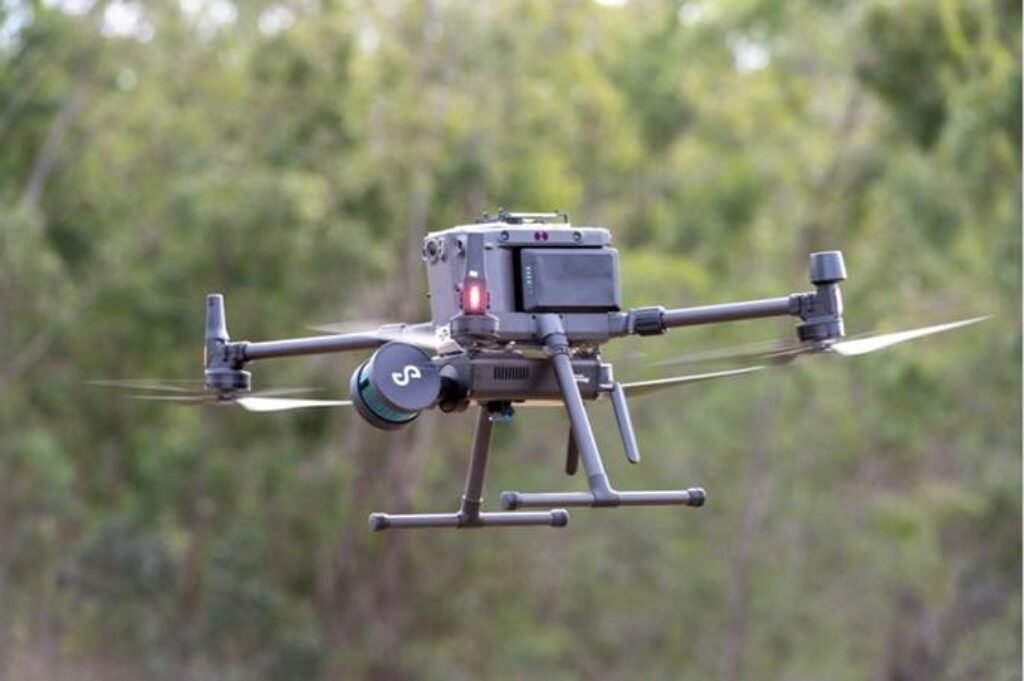
Perfect for Industrial inspections, search and rescue, and professional surveying.
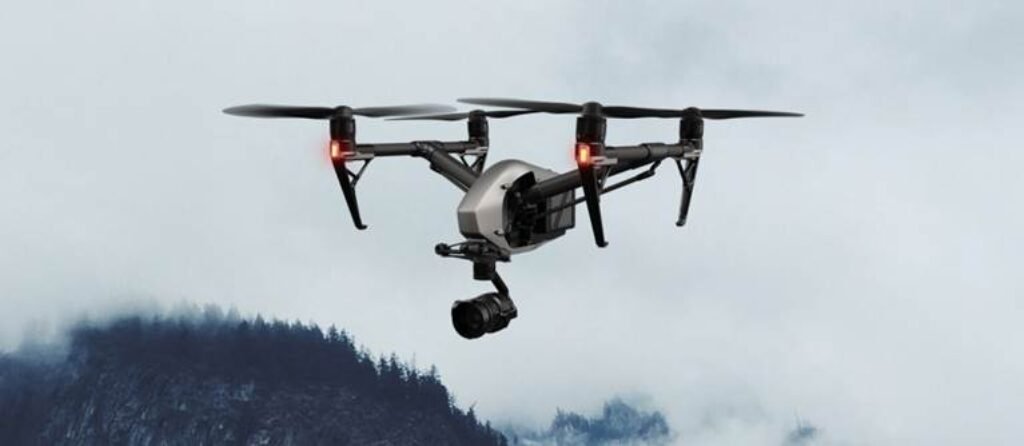
The Cinematographer’s Dream
The latest iteration in the Inspire series pushes the boundaries of aerial cinematography. Its revolutionary design and capabilities make it a standout choice for professional filmmakers.
Key Features:
- 8K camera system
- ProRes RAW recording
- Advanced obstacle avoidance
- Dual-operator capability
- Professional colour profiles
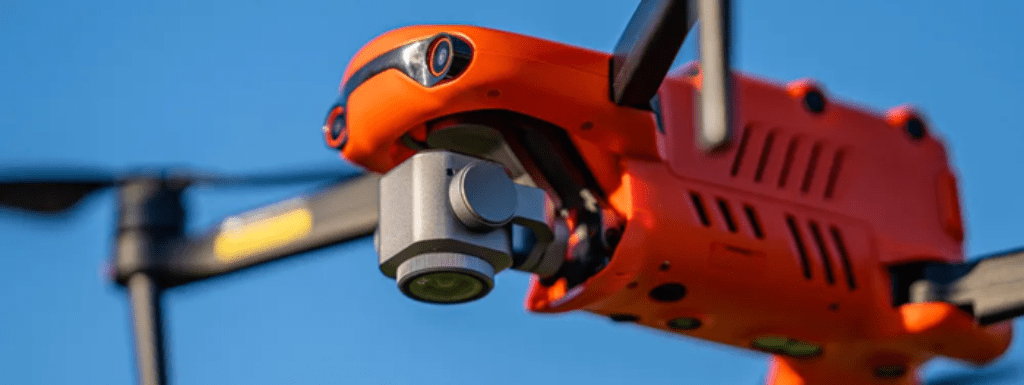
3. Autel EVO 11
Elevate your aerial photography with the Autel Robotics EVO 2 Pro V3.
This drone features a Sony 1″ CMOS sensor, capturing 6K HDR video with stunning clarity. The Moonlight Algorithm 2.0 enhances low-light performance, while the 12-bit DNG provides exceptional post-production flexibility.
Key Features:
- Sony 1″ CMOS sensor & 6K HDR video
- Moonlight Algorithm 2.0
- Max ISO 44000
- 12-Bit DNG
- Dynamic Track 2.0
- 6.4″ Smart Controller SE
- 15KM Transmission
- 360° Obstacle Avoidance
- 40 Minutes Flight Time
Order now and experience the difference.
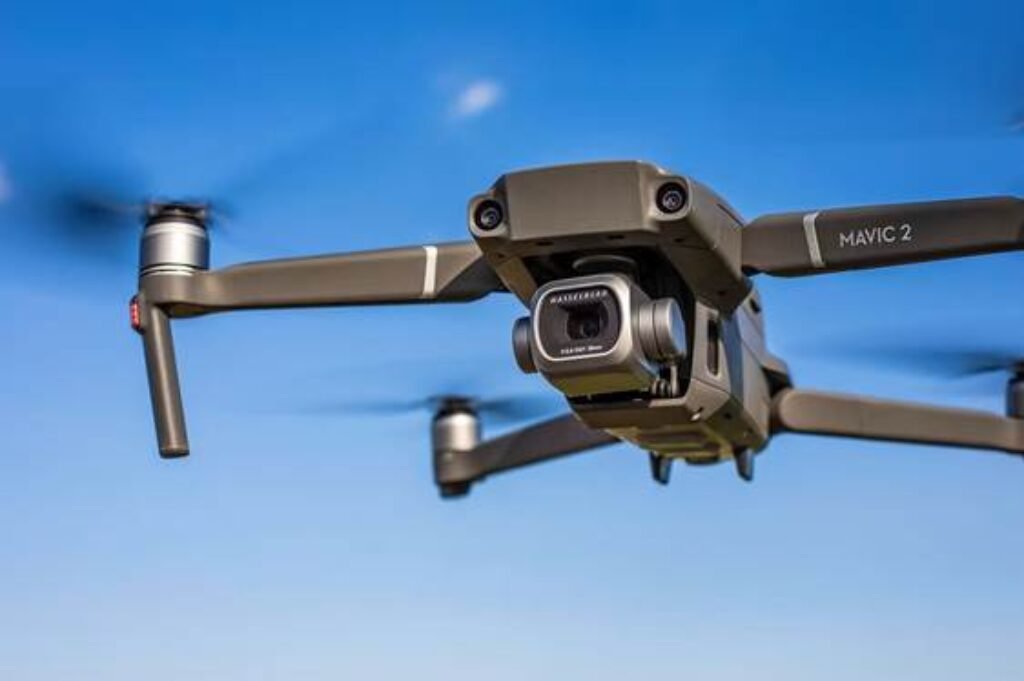
Elevate your aerial photography with the DJI Mavic 2 Pro – the ultimate drone for capturing stunning footage.
This drone has a Hasselblad L1D-20c camera and a 20MP 1″ CMOS sensor, which captures stunning aerial shots with remarkable detail. The adjustable aperture and 10-bit HDR video add depth to your visuals, while the 3-axis gimbal ensures steady shots.
Key Features:
- Hasselblad L1D-20c camera with 20MP 1″ CMOS sensor
- Adjustable aperture
- 10-bit HDR video
- 3-axis gimbal
- 31 minutes flight time
- 44 mph max speed
- Omnidirectional obstacle sensing
Order now and experience the DJI difference!
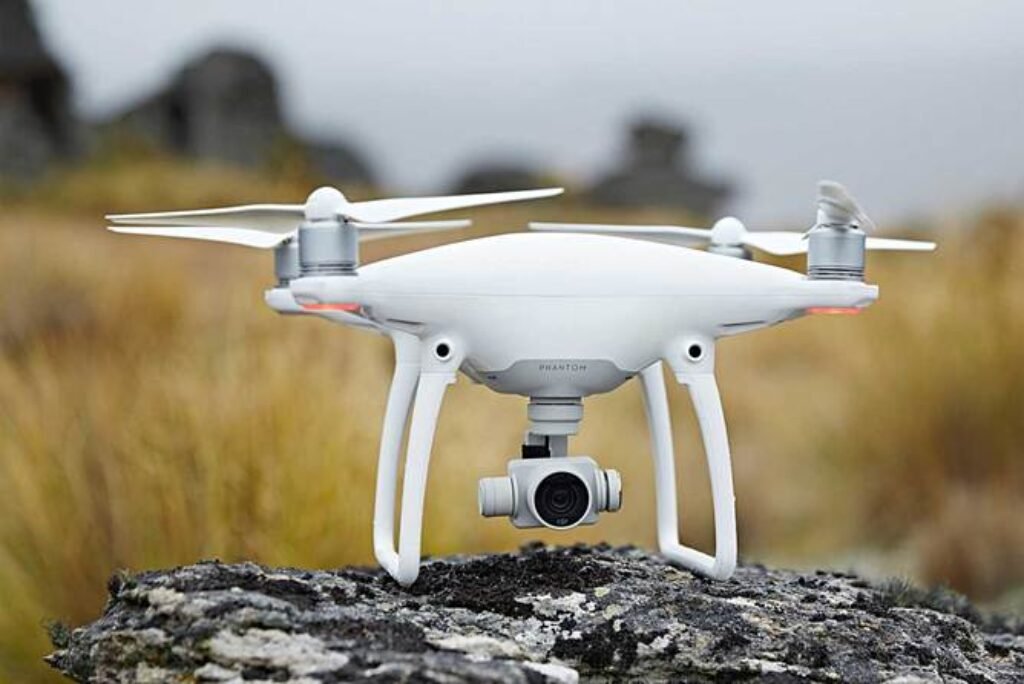
Elevate your aerial photography with the DJI Phantom 4 Advanced+ Drone Quadcopter.
This top-tier drone features a built-in LCD on the remote, a 4K camera, and a 1″ 20MP CMOS sensor. Its 30-minute flight time and 4.3-mile range ensure extended and far-reaching aerial sessions.
Key Features:
- 4K camera
- 1″ 20MP CMOS sensor
- Built-in LCD on remote
- 30-minute flight time
- 4.3-mile range
- Obstacle avoidance
- Indoor flying capability
Order now and transform your aerial photography experience with the DJI Phantom 4 Advanced+ Drone Quadcopter.
4. Tips for Capturing Stunning Aerial Shots: To make the most of your travel drone photography, consider these tips:
- Plan Your Shots: Scout locations and plan your drone shots to make the most of your flight time. Researching your destination and identifying key landmarks will help you capture the best angles and compositions. Use apps like Google Earth or dedicated drone mapping tools to explore potential shooting locations.
- Follow Local Regulations: Always check and follow local drone regulations to ensure a safe and legal flight. Many countries have specific rules about where and how drones can be flown, so it’s essential to be aware of them before flying. Websites like UAV Coach provide comprehensive guides on drone laws around the world.
- Practice Makes Perfect: Spend time practicing flying your drone to become familiar with its controls and capabilities. The more comfortable you are with your drone, the better your shots will be. Consider joining local drone clubs or online communities to learn from other experienced pilots.
- Use Filters: Neutral density (ND) filters can help you manage exposure and achieve better results in bright conditions. They reduce the light entering the camera, allowing you to use slower shutter speeds for smoother video and more balanced photos. Polarizing filters can also enhance colors and reduce glare from reflective surfaces.
- Experiment with Different Angles: Don’t be afraid to try unconventional angles and perspectives. Fly your drone low to the ground for dramatic close-ups or high above for sweeping panoramas. Change your shooting angles to add variety and interest to your photos.
- Optimize Settings: Adjust your drone’s camera settings to match the shooting conditions. Use manual settings to control ISO, shutter speed, and aperture for better exposure and image quality. Shooting in RAW format can provide more flexibility in post-processing.
5. Editing and Post-Processing: Post-processing can enhance your photos and make them stand out after capturing your aerial shots. Here are some tips for editing drone photos:
- Adjust Exposure and Contrast: Fine-tuning the exposure and contrast can bring out details and improve the overall look of your photos. Editing software like Adobe Lightroom or Capture One can be used to make precise adjustments.
- Enhance Colors: Boosting the vibrancy and saturation can make your images more eye-catching. Be careful not to overdo it, as overly saturated photos can look unnatural. Tools like the HSL (Hue, Saturation, Luminance) panel in Lightroom can help you adjust specific color ranges.
- Correct Distortion: Some drones may produce slightly distorted images, especially with wide-angle lenses. Use editing software to correct any distortions and ensure straight horizons. Lens correction tools in Lightroom or Photoshop can help with this.
- Add Creative Touches: Experiment with different filters and effects to give your photos a unique look. Black and white conversions, vintage effects, or selective color can add artistic flair to your images. Presets and LUTs (Look-Up Tables) can also provide your photos with a consistent and polished look.
- Crop and Straighten: Cropping and straightening your images can improve composition and eliminate distractions. Pay attention to the rule of thirds and leading lines to create visually appealing photos.
6. Drone Maintenance and Care: Proper maintenance and care can extend the life of your drone and ensure optimal performance. Here are some tips for keeping your drone in top shape:
- Regular Inspections: Check your drone for any signs of damage or wear before and after each flight. Pay attention to the propellers, motors, and camera gimbal. Replace any damaged parts as needed.
- Battery Care: Properly charge and store your drone’s batteries to prolong lifespan. Avoid fully discharging the batteries and store them at a partial charge in a cool, dry place. Use a battery management system to monitor battery health.
- Firmware Updates: Keep your drone’s firmware up to date to ensure it has the latest features and bug fixes. Check for updates from the manufacturer regularly and install them as needed.
- Cleaning: Clean your drone regularly to remove dust, dirt, and debris. Use a soft brush or compressed air to clean the motors and camera gimbal. Avoid using water or harsh chemicals on your drone.
7. Ethical and Responsible Flying: Flying drones responsibly and ethically is crucial for ensuring the safety of others and protecting the environment. Here are some guidelines to follow:
- Respect Privacy: Do not fly your drone over private property or populated areas without permission. Be mindful of people’s privacy and avoid capturing images or videos without consent.
- Protect Wildlife: Do not disturb wildlife or their habitats while flying your drone. Maintain a safe distance from animals and avoid flying